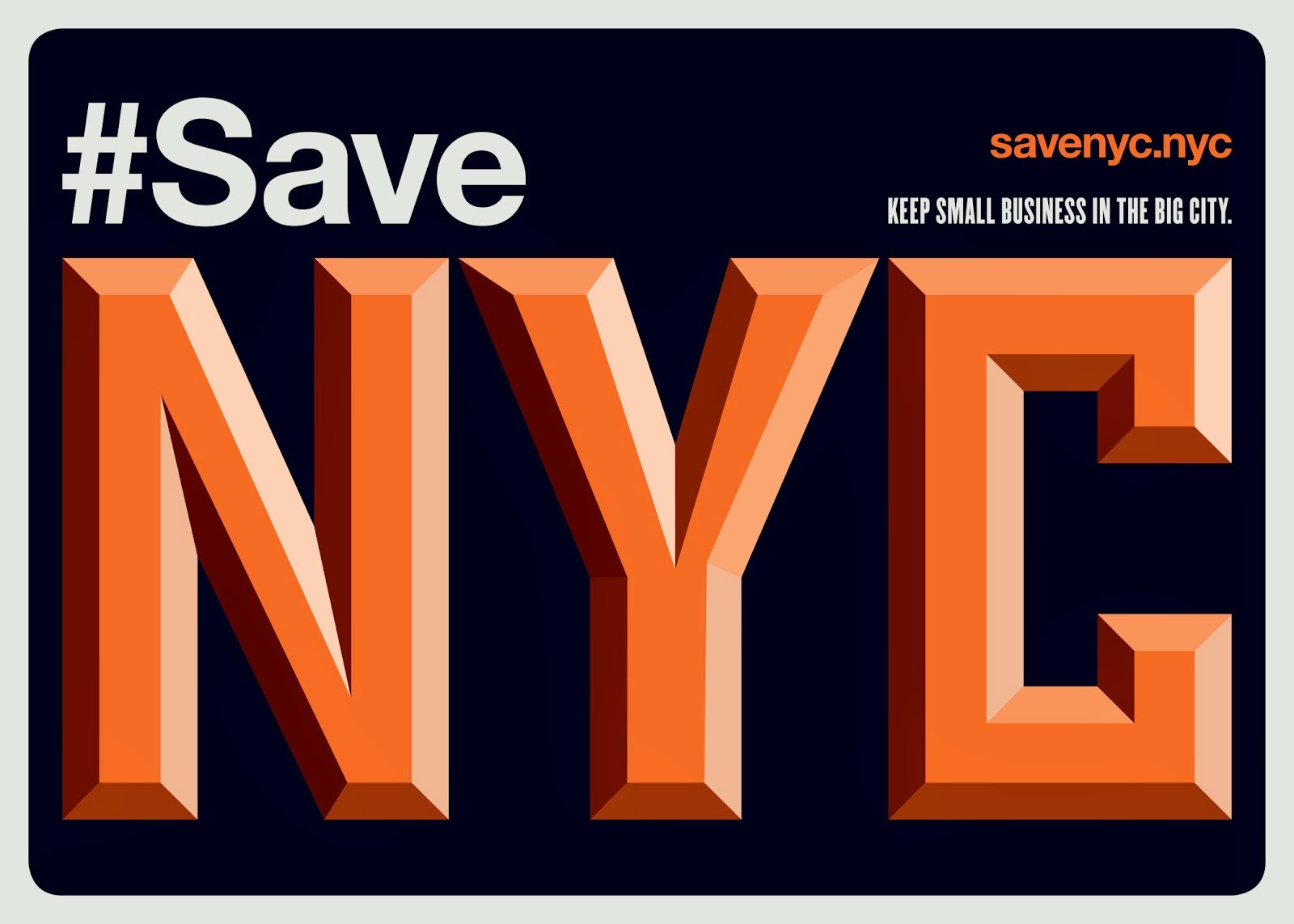
Wednesday, June 19, 2013

Seedy West 40th

Reader DK writes in about the death of one of the Times Square area's last seedy blocks, West 40th Street between 8th and 9th Avenues, across from the Port Authority bus terminal.


before
 
He says: "what used to be such a proud block:
$1 pizza • dive bar • secret afterhours • parole bldg • alley • porn • tranny bar • dance studio • rehearsal space • porn • chinese • liquor • porn

is transforming into this:
7/11 • hotel • hotel • hotel • parking • condos • condos • sports bar • gym • bank"


after: with another new building behind it

DK was living in 306 West 40th when the building next to his, 308 West 40th, was demolished.

There's not a lot of history to find on this building, but there is a bit. In the 1990s, New York artist Bill Sullivan ran a small press from #308, publishing many gay and lesbian writers. The first floor was home to A&S Magazines, where (said New York magazine) "owner Kurt Westphal sits strumming his guitar among some 925,000 magazines, some of which date back to the 1920s."

The building was sold in 2007 to Sam Chang, the prolific hotelier, and the spot is to become a 14-story, 53-room hotel. It's hard to imagine another hotel being necessary on a block recently loaded with hotels.


the hotel encroachment on the block

DK says #306 is probably next for the wreckers. I went in to check out the XXX business on the first and second floors. Upstairs, a crowd of hustlers wait around the buddy booths, all men of color. "Wassup," they say, sizing up every potential trick. "Wassup."

Downstairs are rubber toys and the nastiest DVDs you can imagine--I won't go into the details--along with a trio of booths containing LIVE GIRLS. This is a true rarity. Sadly, when I was there, the Live Girl was out to lunch. But the sign over the booths is priceless.

It reads: "This form of entertainment is purely a fantasy and should not be taken in any other way. Everything said and performed in the booth is just a pretend fantasy and should not be taken with any seriousness or reality. Enjoy your fantasy. May it be a good one."


DK wrote up the following description of the block, the buildings, and the working girls who've made it their place of business:

to the ladies on my block, it was their workspace. my building is next. they use the porn store below as a home base of sorts and the hallways up by me as a "break room." when my building is gone, they'll have no space left. so they're all planning on converting from outdoor to indoor ho's. there aren't a lotta their type left. most of the streetwalkers went online in the mid 2000s. they're the last of a dying breed.

Nietzche the ho is the oldest. i don't know her age. i'd guess late 40s but she looks older. she's got a really dry blond perm. kinda looks like a dolly wig that was left in the desert. she has a funny superstition. she doesn't verbalize anything negative. if she has anything bad or negative to say, she either simply doesn't say it or if she has to say it she'll write it down. so it's kinda funny, cause she looks, frankly, very tired and grouchy all the time. but the words that come out of her mouth are anything but.

she doesn't like the "change," she doesn't want to go online for work. she prefers the streets. i know this because she asked me to show her how craigslist and other online adspace worked and she grew uncharacteristically silent to the point where she wasn't even paying attention. she was kind of staring into space and muttering under her breath. so i stopped my lessons and said "OK. i know you aren't trash-talking my lesson under your breath, so what is it? i know this is upsetting having to change your way of life, but..." she interrupted, "no, that's not it." well, what is it? but of course she wouldn't verbalize it. so finally i made her type it and she typed this: "2 cops i didn't know wanted me to suck for free. i said no. one pushed me down. so i bit him. but then he choked me and i passed out."

i asked her where she woke up and she went back to speaking: "in the container next door."

"in the container next door? you mean the dumpster, they left you in the dumpster?"

she nodded.


Tuesday, June 18, 2013

Even the Nights

If yesterday's post on the downfall of Coney Island at the hands of Applebee's got you down, cleanse your palate with this little ditty from Air Supply.


It's 1982's "Even the Nights Are Better" and it's all filmed in Coney Island. There's Gregory & Paul's, before Zamperla put them out of business, then brought them back into business, then forced them to "clean up" their lovely cluttered stand.


There's Spookarama and Dante's Inferno, too. And a whole lot of white suit action.


Watch here:

Monday, June 17, 2013

Applebee's & The Mermaid Parade

This past weekend, the Applebee's of Coney Island had its grand opening, unveiling a giant shark tank filled with amusement park miniatures, including a neon Wonder Wheel and Cyclone.

The tank was made by Las Vegas' Acrylic Tank Manufacturing company, stars of a reality television show called Tanked, in which two guys make large, elaborate fish tanks, e.g., a 57,000 gallon aquarium for a Dallas megachurch and a "man-cave aquarium" for an NFL player.


photo: Coney Applebee's Facebook page

Next weekend, the international chain restaurant, that honey-glazed, Fiesta lime-flavored emblem of the suburban dining experience, will throw a Mermaid Parade Party in collaboration with Coney Island USA. Tickets to the party are $45 and they'll give you entry to Applebee's "comfortable air-conditioned dining room" for drinks and an all-you-can-eat buffet in the "ambiance of the hottest new restaurant" in Coney Island.

What is wrong with this picture?


Coney Island, wild child of the city's fringe, is suffocating in national chains. Applebee's has plenty of company, including Johnny Rockets, Red Mango, Dunkin Donuts, and Subway, with Hooters and Outback Steak House on the developers' wish list.

As Amusing the Zillion said six months ago, the park "famous for its quirky authenticity" is "about to look and taste more like Anyplace USA."

Zane Tankel, CEO of Apple-Metro, Inc., the Applebee's franchisee for New York City, sees it another way. He told the Daily News, “Coney Island’s time has come. It’s the renaissance of the neighborhood."

What kind of a renaissance is this?

The image on Applebee's Mermaid Parade Party ticket provides a clue--a photo of gals (and guys) who look nothing like the scrappy, freaky, iconoclastic artists that epitomize Coney's mermaids and men. The young women in the foreground are air-brushed stock-photo princesses better suited to a Disneyland float than a little red wagon pulled by a bearded drag queen on a three-speed bike.


And while the Mermaid Parade was originally meant, in part, to pay tribute to Coney's old Mardi Gras parades, the colors and beads on this poster seem just a little too Mardi Gras and not enough Mermaid. Maybe the poster was re-purposed from a Fat Tuesday Riblets Feast. Can a multi-national corporation truly get the Mermaid Parade, or the spirit of Coney Island?

I asked Zipper director Amy Nicholson her thoughts. She told me, "The Mermaid Parade embodies the spirit of Coney Island: wild, chaotic, creative, unfettered and free-spirited--words that I am sure do not appear in Applebee's brand guidelines. I wonder what will happen when pictures surface of topless women (or a guy with a shark on his penis) with their logo in the background."

(For more on that, check out Laurie Essig's essay on how the source of the Mermaid Parade's popularity is "bared breasts and the age-old question of whether or not the mermaid has a vagina.")


supertouchart: Big Dick Merman

We know that Bloomberg likes his luxury city to be clean and in uniform--everything gritty and chaotic, from newsstands to whole neighborhoods, has to be systematically rezoned and renovated to fall in line with his vision. Since Coney Island had the misfortune to get on Bloomberg's radar, it's been under siege by developers who aim to profit by cleaning it up and making it palatable for mainstream audiences (for the whole tragic story, you must see Zipper).

Applebee's is now selling the Mermaid Parade as a family-focused event: "The Mermaid Parade is all about family! Enjoy the largest art parade of the nation and join us at America's favorite family friendly restaurant." Families and kids have always attended the parade, but the event is not, and never was, "all about family." I'd say it's all about art, yes, along with: transgression, activism, crossdressing, freakiness, and tits. Lots of tits.

(We also know what "family" is code for in this country.)


Applebee's Facebook

From the beginning, the mermaid activists and their friends fought back against the developers and city planners. At the 2008 Mermaid Parade, in the window of Coney Island USA, the Queen Mermaid held a hunger strike to rescue Coney from the "gentrifying apocalypse of retail entertainment hell." In 2009, Miss Cyclone and the mermaids protested City Hall, demanding that Coney not become "Anywhere, USA."

But the wheels of politics and development kept on turning. Many of the fighters lost their steam as the bulldozers of Big Business knocked Coney nearly flat.

And then came Sandy.


2008: "The Empire is trying to...turn it into a shopping mall"

The hurricane wiped out the Mermaid Parade's headquarters. Parade founder Dick Zigun launched a Kickstarter campaign to save the event, which has become costly due to the high price of managing massive crowds. Coney Island USA wrote on their Kickstarter page, "A free parade is expensive. As the crowds have grown to 750,000 people over the past years, we've had to contend with more regulations and restrictions that have sharply increased the cost of the event."

As Coney has become cleaner and safer, like much of the city, it isn't just the intrepid freaks and scruffy locals who go out there--it's tourists and the new New Yorkers. Those bigger crowds mean the parade needs more money to keep going. Who has lots of money? The corporations that have made Coney Island more enticing to those new crowds--national and multinational chains that are desperate to appear "local" and "hip."

It's a vicious cycle.


supertouchart

I got in touch with the Mermaid Parade organizers at Coney Island USA. Their development director, Tim Pendrell, told me that a percentage of Applebee's sales during the party will go to the parade. He said, "They also donated the terrace overlooking the parade route as a reward for our Kickstarter campaign to save the parade. They've actually been the most supportive company to our Kickstarter campaign."

I asked Dick Zigun if he thinks it's problematic to have a multi-national, suburban-style chain sponsoring the urban artists' parade.

He told me: "It is so simplistic and inaccurate to proclaim the new Coney Island Applebee's generic and a standard suburban franchise. It is run by a local businessman who heavily themed it Coney Island, including a unique, expensive, large fish tank with sharks swimming around a submerged Wonderwheel, Cyclone, and Parachute Jump."

He continued, "From the first parade in 1983, sponsored by Nathan's, the Mermaid Parade has always worked with corporate sponsorship as long as they do not interfere with Artistic Policy. Astroland, Geek Squad, Dunkin Donuts, etc., and many, many beer companies have contributed to many of our 30 past parades. I not only protect the integrity of the parade's founding principles, I also have to pay for it. Pay the bills or disappear."


fishtank photo: Coney Applebee's Facebook page

Owned by IHOP, Applebee's comes from Missouri, originally Kansas, and has over 2,000 locations across America and internationally. But they like to look local. As they say on one site, "Marketed as 'America's Favorite Neighbor®,' each Applebee's reflects the neighborhood in which it is located. The decor further conveys this theme with photographs and memorabilia highlighting hometown heroes, local schools and area history."

The new Applebee's might be Coney themed, but it's not Coney. Of course, this is what's happening to the whole city--large corporations and smaller entrepreneurs alike are co-opting the city's authentic spaces and replacing them with a theme of authenticity.

When Bruce Ratner helped bring a lurid, flashy, New York-themed Applebee's to 42nd Street in Times Square in 2000, many of us gasped in horror. In his book The Devil's Playground, author James Traub put the chain restaurant in the category of "mass-produced dreck." Ratner defended it.

"Applebee's," said the real-estate developer, "they're what America is today." Ratner was right.

Zane Tankel owns both the Times Square and the Coney Island Applebee's. In fact, he runs every Applebee's in the city, at least 40 locations. Last year, he told Fox News that, because of Obamacare, he might not build more restaurants or hire more workers, and he would consider cutting workers' hours due to the high cost of paying their health insurance. Tankel's Apple-Metro revenue was over $137.2 million in 2011 according to Forbes.

One of the sharks in Applebee's tank was named after Mr. Tankel, and he's a killer. Reports the Daily News: "A Blacktip shark named Zane had to be removed Friday from the restaurant’s 5,000-gallon aquarium after devouring three Lookdown fish in a shocking killing spree. That very same day, a Whitetip shark died after colliding with a three-foot Wonder Wheel replica in the tank, leaving employees shaken by the mayhem."


typical American Applebee's

Reverend Billy from the Church of Stop Shopping is a former King Neptune of the Mermaid Parade. I asked his thoughts about Applebee's involvement there. I'll leave you with the colorful words he offered:

"Applebee's in the Mermaid Parade? Oh, Applebee's must have changed from the soft, safe, middle-class chain diner. They must be naked in there, full of smells and seductions, barkers at the bullhorn and mysterious skinny guys pulling the lever on the Cyclone smoking Chesterfield no filters while hawking tourist women's legs.

Applebee's must have changed. It must have accepted chance, danger, and the End of the World. It must love working families who only have ten bucks to spend. Applebee's in the Mermaid Parade. It must love scaly, slithering women who make people forget about money.

This is really interesting. Applebee's in the Mermaid Parade. This is really fascinating. The food there isn't still lousy and expensive? I won't find out. I'll rob the cash register and shout Freakalujah!"


photo: Evan Sante

Friday, June 14, 2013

*Everyday Chatter

Meet Mr. Tish and Adrian, two octogenarian drag queens still reigning over their Greenwich Village stoop. [WIC]

Ray's Candy gets a new lease! [Villager]

June 26: That's the last day for the Blarney Cove.

Bloomberg uses our hurricane anxiety to propose a new luxury "neighborhood" to be built "on landfill along the East Side of Manhattan from the Lower East Side to Battery Park, as a way of protecting the area from future hurricane storm surges." [HP]

All about the Birdman documentary. [EVG]


a barber stops to watch St. Anthony go by

Does anyone remember the mystery gospel trio of Bleecker Street? Listen to these street recordings from 1990. [MNYGT]

Check out PopSpots--where the original locations of record cover photos are found. [PS]

NYU Faculty Against the Sexton Plan wins a Village Award, and much deserved for all their important work. [GVSHP]

A map of bohemian Greenwich Village in 1925. [Slate]

Circo's Pastry gets its antique neon restored. [NYN]


Frank's Express Pizza

The Hunt & Fish Club, an 'elite clubhouse' restaurant specifically for hedge fund guys" is coming. [Gawker]

Please turn down the volume on your phone video games--it's driving people crazy. [FIPS]

Another mom and pop hardware store--the locksmith to the stars--is closing. [Villager]

The horrifying chaining of Coney Island. [NYDN]

And here's another crap chain store for the once-great Coney Island. [ATZ]

Thursday, June 13, 2013

New York 1974

While we're on a roll with old New York photo collections, check out the work of Chris Protopapas on Flickr.


Looking through windows in 1974--the glorious Gordon Novelty Shop, a cobbler shop where "old shoes are like old friends," the strange objects in the window of beauty supply store.


There are 23 photos here (and another bunch from the early 1980s). Chris wishes there were more, as he writes, "I guess I should have spent even more time documenting the city in those days, especially the little storefronts which are almost all gone now."


Wednesday, June 12, 2013

The Doors of New York: 1976

Get ready to have your mind blown--and the next several hours of your life lost. A reader recently connected me to photographer Roy Colmer's collection of New York City doors in the NYPL digital gallery. It consists of 3,000 photos of doors (and 120 intersections), all in Manhattan, all taken in 1976.


McSorley's

I got in touch with Mr. Colmer. He told me that it took him one full year to complete the project, "This included the indexing, developing negatives and prints" on 3,000 doors. He chose the doors, and the intersections, at random.

As he told me, "I was not concerned with the particular street, historic or architectural importance of the door." He simply walked, pointed, and shot. Whatever got caught in his lens, that's what got caught.


B&H Dairy

From downtown, Chinatown, Mulberry Street, the Bowery, through Soho and the Village, across East 7th Street and up Second Avenue, back and forth across 14th Street, through Midtown to the Upper East and West Sides, the photographer takes an exhaustive, exuberant, obsessive look at the city.


Gem Spa

The kitchen supply shops of the Bowery and the construction material suppliers of Bond Street. The slums of Prince Street and the burnt-out wrecks of East 2nd between A and B. (On one of those wrecks a sign reads "Save This Building for Our People.")


Foam rubber suppliers, sellers of extra long neckties, hosiery dealers, diamond appraisers. Candy stores. Sheet music stores. Kodak stores. Dance schools. Luncheonettes.


Chinese take-out places, pickle shops, and "girls girls girls" nudie joints.


Sellers of plastics and sellers of lace. The endless, endless discount shops of 14th Street bursting with wares. Coin dealers. Handkerchief stores. TV and radio repairmen. Kosher delis. Barber shops.

Essex Street's suppliers of Hebrew religious articles--bar mitzvah sets, skull caps, antique Judaica.


Soho full of nothing but textile warehouses. Sellers of "drapes, festoons, jabots." The textile by-products of the Walter Yokel Co.

Stationery stores. Metal processors. The Gloria Umbrella Company. A store with the name "Clogs of Course," because, of course, they only sell wooden clogs.

And Woolworth's with its luncheonette.


And people. Amid the restaurants and tobacconist shops and banks and bars, there are people. In shirtsleeves, in fur coats, in plaid jackets, in wide neckties, in plaid pants, in bell bottoms and on it goes.


It's a wonderful collection. Some doors you will recognize, many you won't. Some have numbers, many don't. Many are just doors, dull and boring to look at it. But look at them anyway. Look at all of them. Get lost in them.

(Mr. Colmer's work is also on sale at Printed Matter.)

Tuesday, June 11, 2013

Last of the Italians

With an essay in NY Press, artist and photographer Anne Kristoff began chronicling the last of the Italians in Manhattan's South Village, that one-time Italian enclave that's being swallowed up by Soho, as long-time small businesses like Rocco's, Pino's, and Joe's Dairy are taken over, threatened, or simply shuttered.

Anne has expanded the project to a wonderful website of photographs and audio that tells the oral history of the people and the place--click a photo and you'll hear a story.

Her work will also be on view during the Feast of Saint Anthony, June 13, at the Soho Gallery for Digital Art. I asked Anne a few questions about the project.


photos by Anne Kristoff

Q: What inspired you to chronicle the last of the Italians?

A: I started dropping in at St. Anthony's and began noticing that the senior women all arrived separately but then sat together. They all seemed to know one another. I began asking questions and it turned out that most of them had lived in the neighborhood for their entire lives. Many still lived in the apartments they grew up in. They attended St. Anthony's, went to St. Anthony's school, got married there, and raised their families in the neighborhood. Those that had married had all lost their husbands. Their kids had moved out to the suburbs. But they stayed and will not be leaving.

I wrote a story about them for NY Press/Our Town Downtown last summer and I had a lot of photos left over, so I applied for a Lower Manhattan Cultural Council Grant to produce an exhibit, and I found out in February that I got the grant! Since then, I've interviewed so many other people from the neighborhood that the exhibit went from being called "The Women of St. Anthony's" to "The Last of the Italians." The community that is left is strong but dwindling.

Q: How did St. Anthony's help to shape this community?

A: St. Anthony's is the "oldest existing parish founded for ministry to Italian immigrants in the United States." Anecdotally, I've been told that the parishioners at St. Anthony's were from one part of Italy, while nearby Our Lady of Pompeii was home to immigrants from another part of Italy. The two groups had a long running rivalry and didn't mix much. That has changed over the years as both communities have grown smaller in numbers.

Some of the women have told me stories of "Oh, you didn't go East of Broadway back then!" I guess for no other reason than because it was not their neighborhood.


Q: What was it like back then?

A: They tell me stories of whole families living in one building, no one locked their doors, everyone knew everyone and looked out for everyone. If you did something bad, by the time you made it home your family already knew about it. They would fly kites from the roofs, bring pots of sauce and pasta up to the roof for dinner. Swim in the water towers on the roof. Pushcarts lined Bleecker Street. You had everything you needed on your block--the butcher, the vegetable store, etc. Every day or so you'd walk the block to pick up whatever was needed for dinner that night. They all have tales of the 4th of July and how Vincent Gigante would put on a huge fireworks display every year on Houston St.

The fun thing about New York is that you can stand on that block and really imagine what it must have been like. The sad thing about New York is that it has changed irrevocably.


Q: With Joe's Dairy and Rocco's gone, what Italian businesses remain here?

I let the people from the neighborhood be my guide. They talk a lot about places that no longer exist. A lot of candy stores. Virginia's for sandwiches. A few places that they frequent have been around for a while but nothing from back when they were growing up. A lot of the women have been going to Villa Mosconi since the 80s. Frances Ciotta talked about Mosconi in her interview here (she died in December).

You still have Raffetto's and they have no plans of ever leaving. Romana (mother), son Andrew, and his daughter Sarah still run the business. Pino's is still on Sullivan. The women also frequent Arturo's a lot and are close with Lisa there.

I would say that the most authentic thing that still happens in the neighborhood would be the procession on St. Anthony day. They used to have a feast that rivaled San Gennaro and the procession was very long. Now it's shorter but it's really a good time. The church is packed to the gills, the balcony is opened. Everyone follows behind the statue of St. Anthony--up Sullivan, across Bleecker, down Thompson I think to Spring or Prince and then back up Sullivan. It's really neat to see.